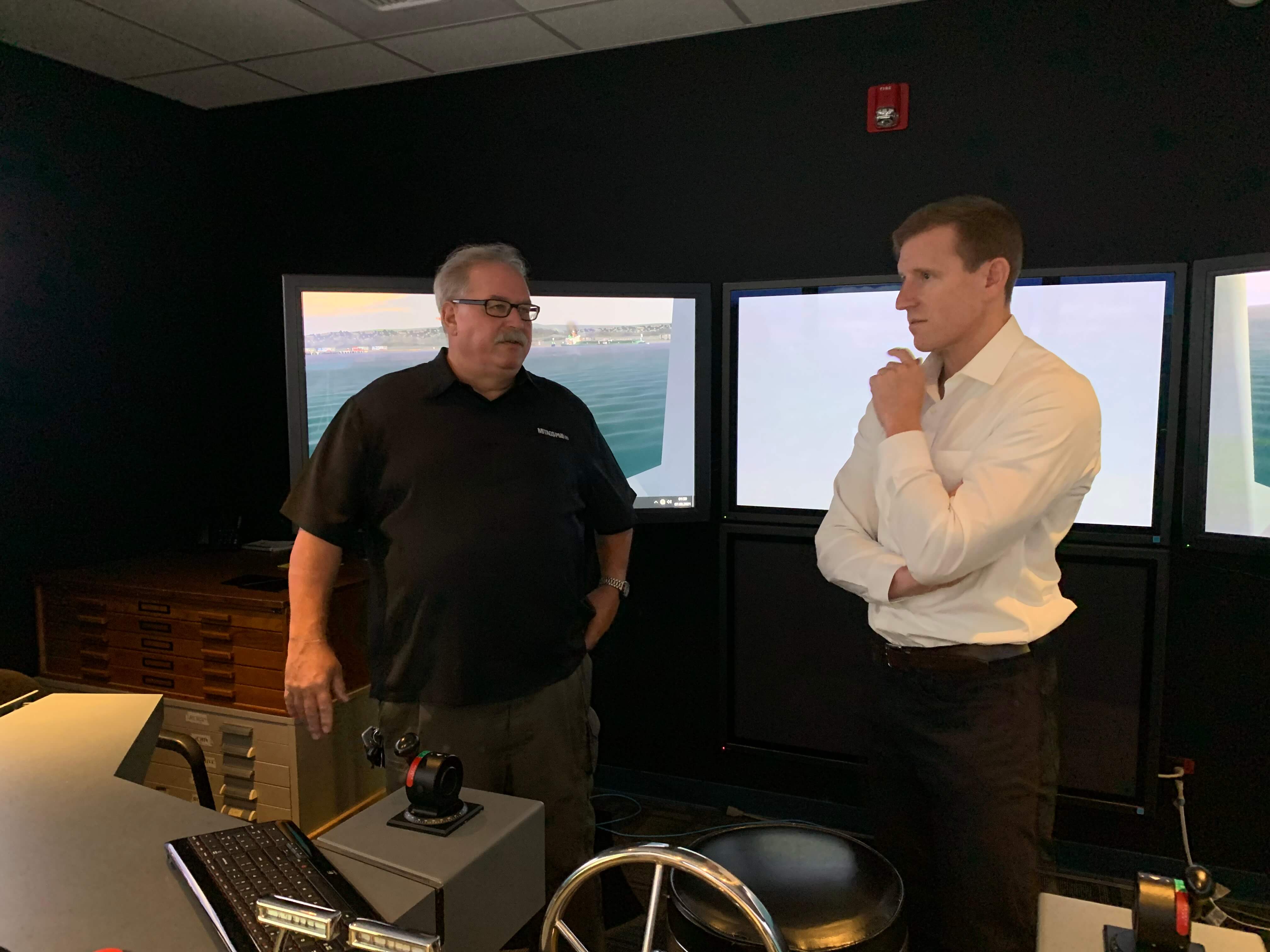

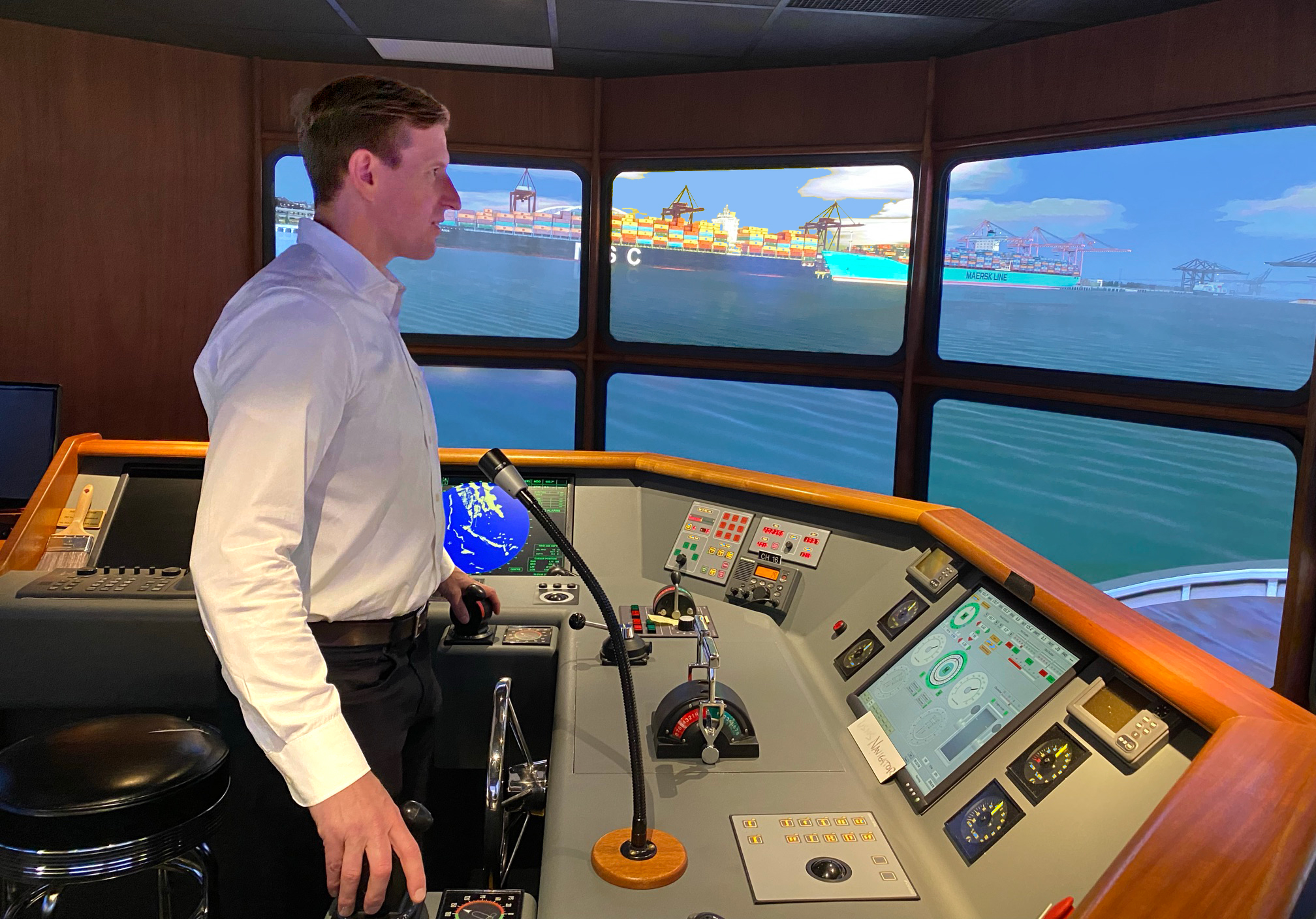

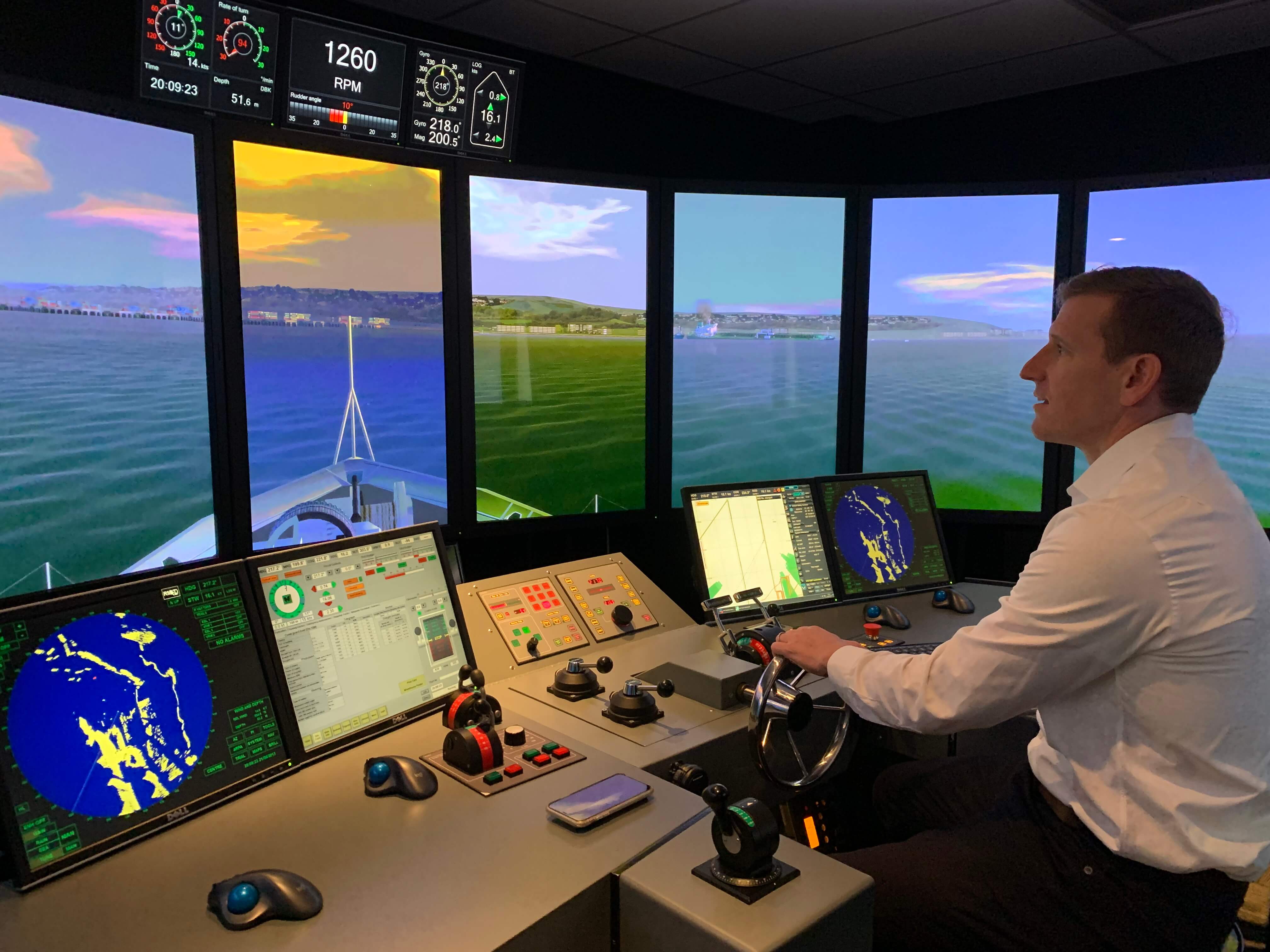
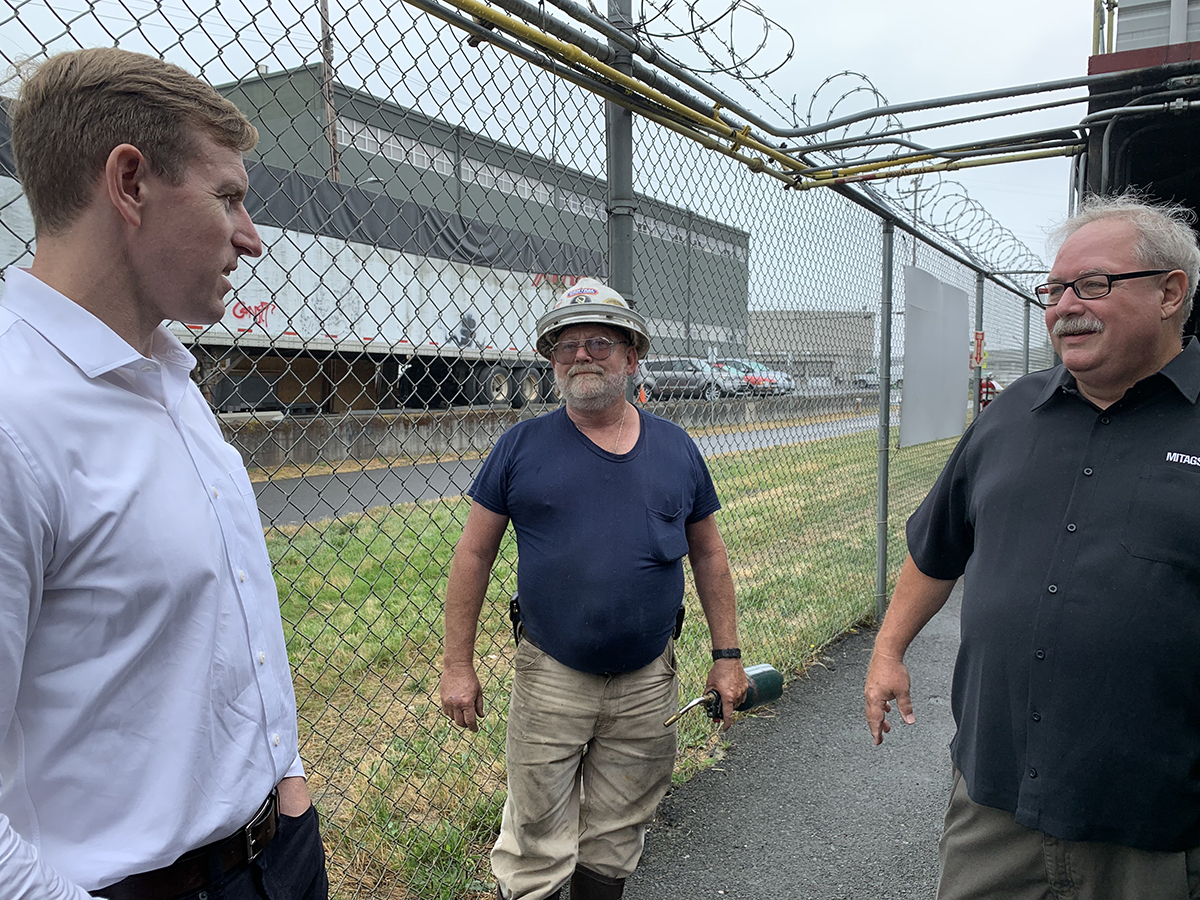

On Friday, August 6, 2021, the Port of Seattle Commissioner Ryan Calkins and members of his staff visited MITAGS-West. During their tour of our facilities, Commissioner Calkins was able to navigate (and dock) a cruise ship, tour the harbor in a Coast Guard patrol boat, and dock a ship using a Z-drive tug.
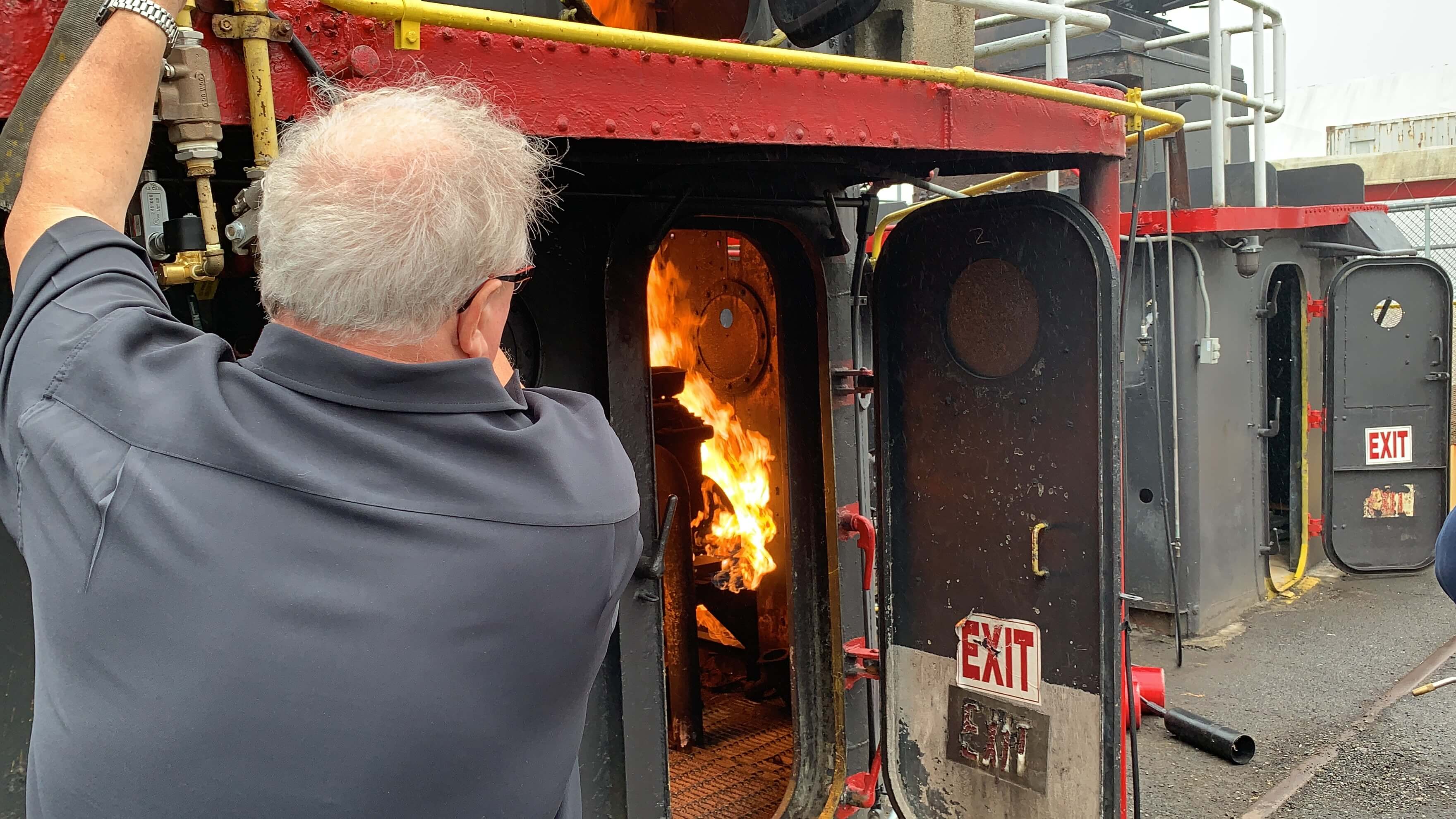
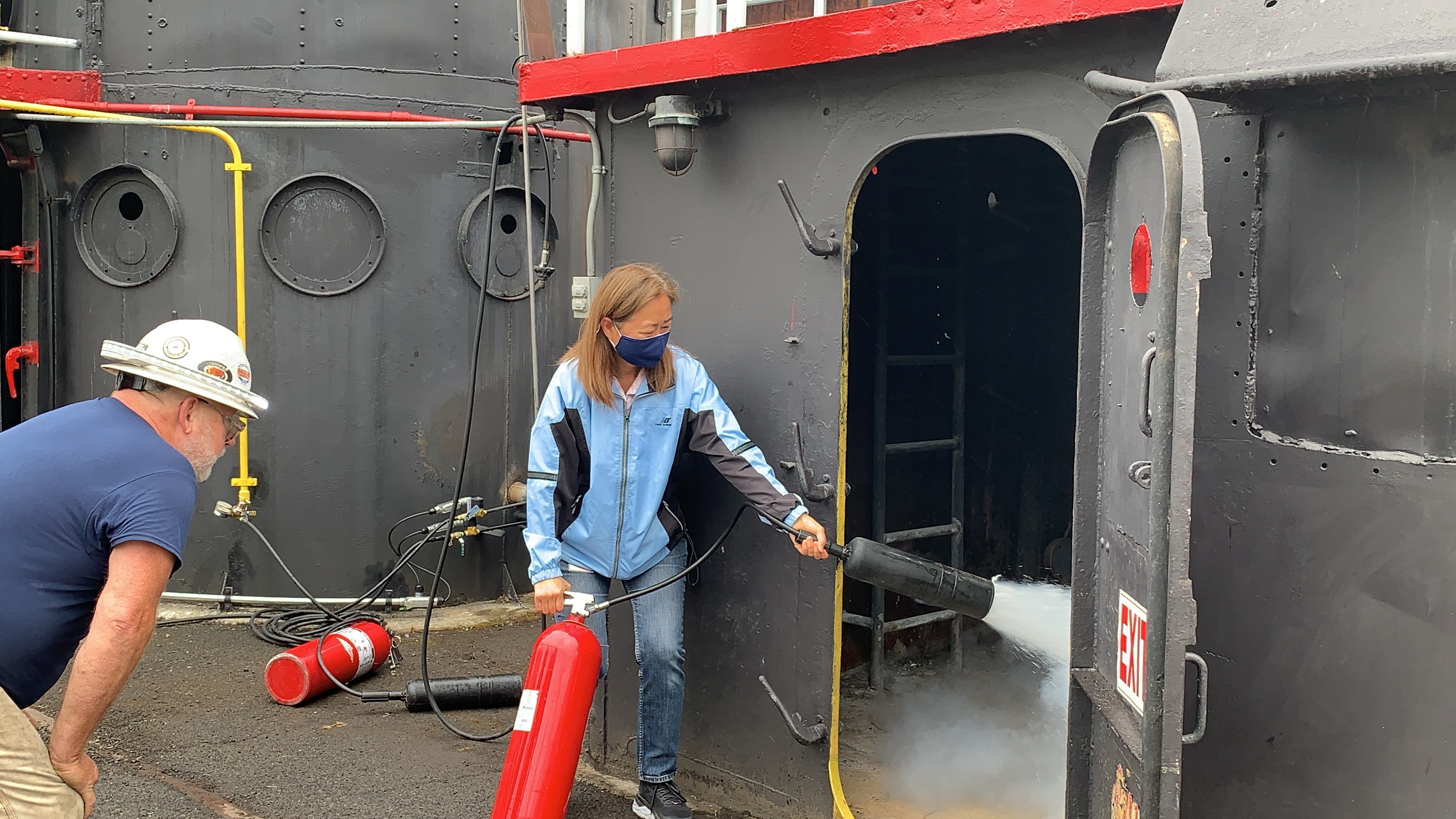
Later in the day they travelled to the M/v Fire Dragon, and were able to experience a galley fire rollover and a two-level engine room fire. Commissioner Calkins was excited to learn more about MITAGS and how we serve mariners and the local community as a whole.
Photo credits: Kiley Wilson & Erica Chung, Office of Commission, Port of Seattle
Related Posts
Washington State Ferries and MITAGS Partner in Full-Scholarship Training
No Cost to Accepted Applicants for 2-year Program Seattle, WA – July 31, 2023 – The Maritime Institute of Technology and Graduate Studies (MITAGS) is pleased to announce a new offering of its nationally-recognized Maritime Apprenticeship Program (MAP), in partnership with Washington State Ferries (WSF). Applications are being accepted between now and October 30th, and […]

How AI Is Changing the Maritime Industry
Like many sectors, the maritime industry is embracing modern technology to advance and streamline operations. Individuals working and studying in this field should understand how implementing new technology changes operations for better preparation and adoption. What Is AI and Machine Learning? Artificial Intelligence (AI) software solutions collect data and discover patterns. Information collection offers insights […]
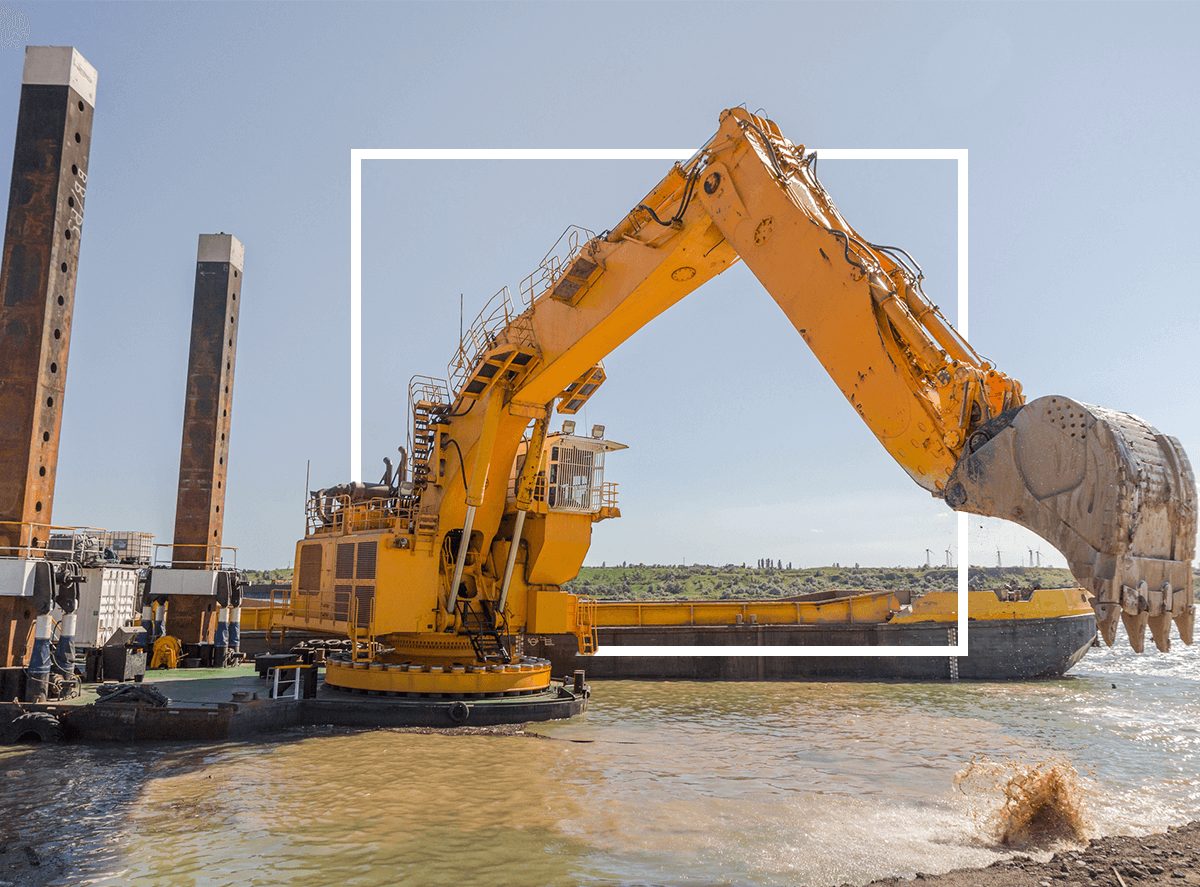
Beneath the Surface: Operational Research and Simulation in Dredging
Dredging, a critical process in the maritime industry, involves the excavation and removal of sediment, debris, and other materials from waterways. The primary purpose of dredging is to maintain or increase the depth of navigable waterways, to ensure safe passage for large vessels, and enhance port efficiency. Dredging is also critical in support of environmental […]